 React Native
 Expo
 TypeScript
 TanStack Query
The problem
Most nutrition apps are built for losing weight. After birth, a mother's body needs something different: recovery from the delivery, often breastfeeding, and almost no time or energy left to plan meals. A generic calorie target doesn't fit, and the first months can feel lonely.
NourishWise is a daily companion for that stretch: targets worked out for her, meals planned for her, and other mothers to talk to. For the app, that meant targets that depend on how she delivered, her baby's age and how she feeds; daily screens that take seconds to use; and a community that feels instant on a phone.
My role
I was the only mobile engineer. I built the whole app, from sign-in to subscriptions, and shipped it to the App Store and Google Play. I worked with our backend team on the API it runs on.
How it works
What people use
- Onboarding asks about the delivery, the baby's age and feeding, then works out personal calorie and macro targets.
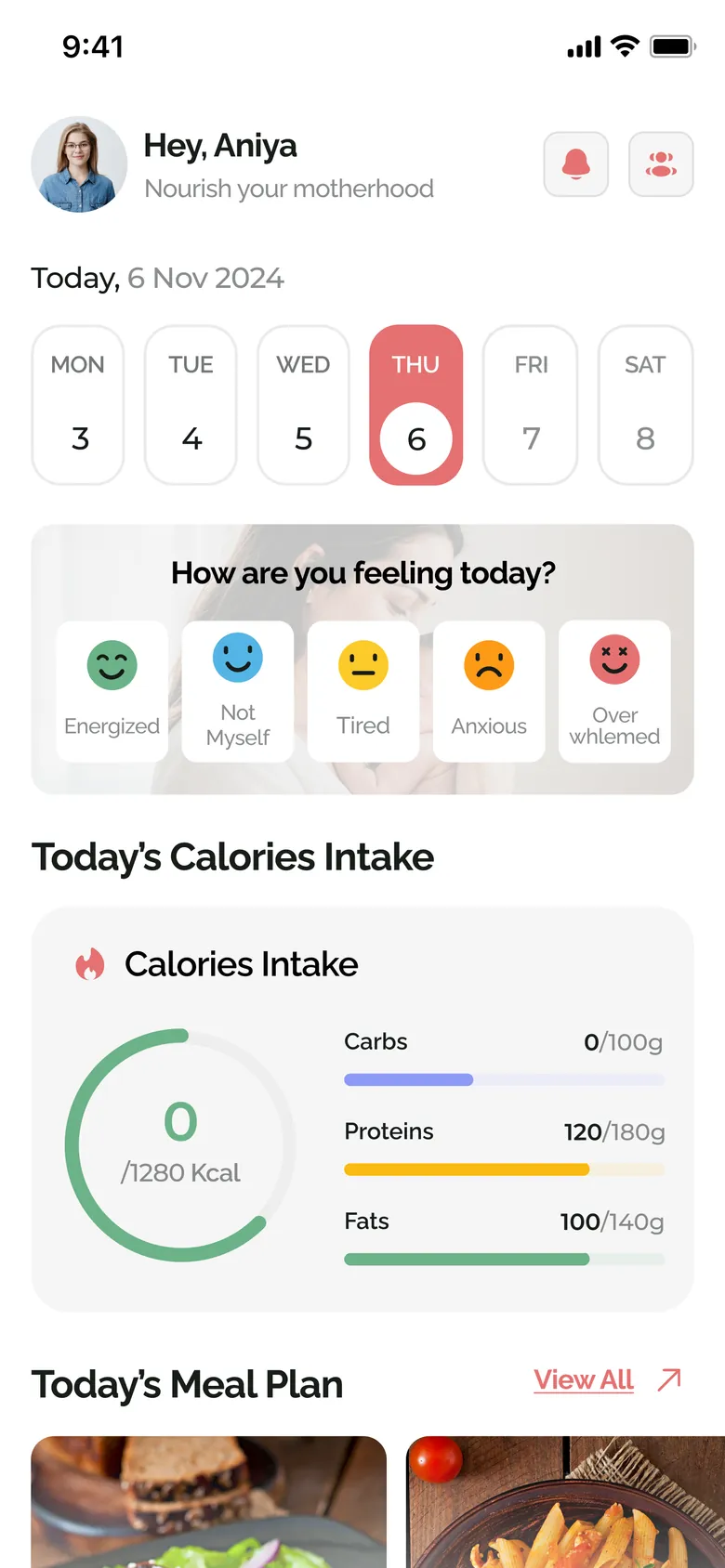
- A daily dashboard with mood check-ins, the day's meals, recommendations and a nutrition graph, plus a notification when a new meal plan is ready.
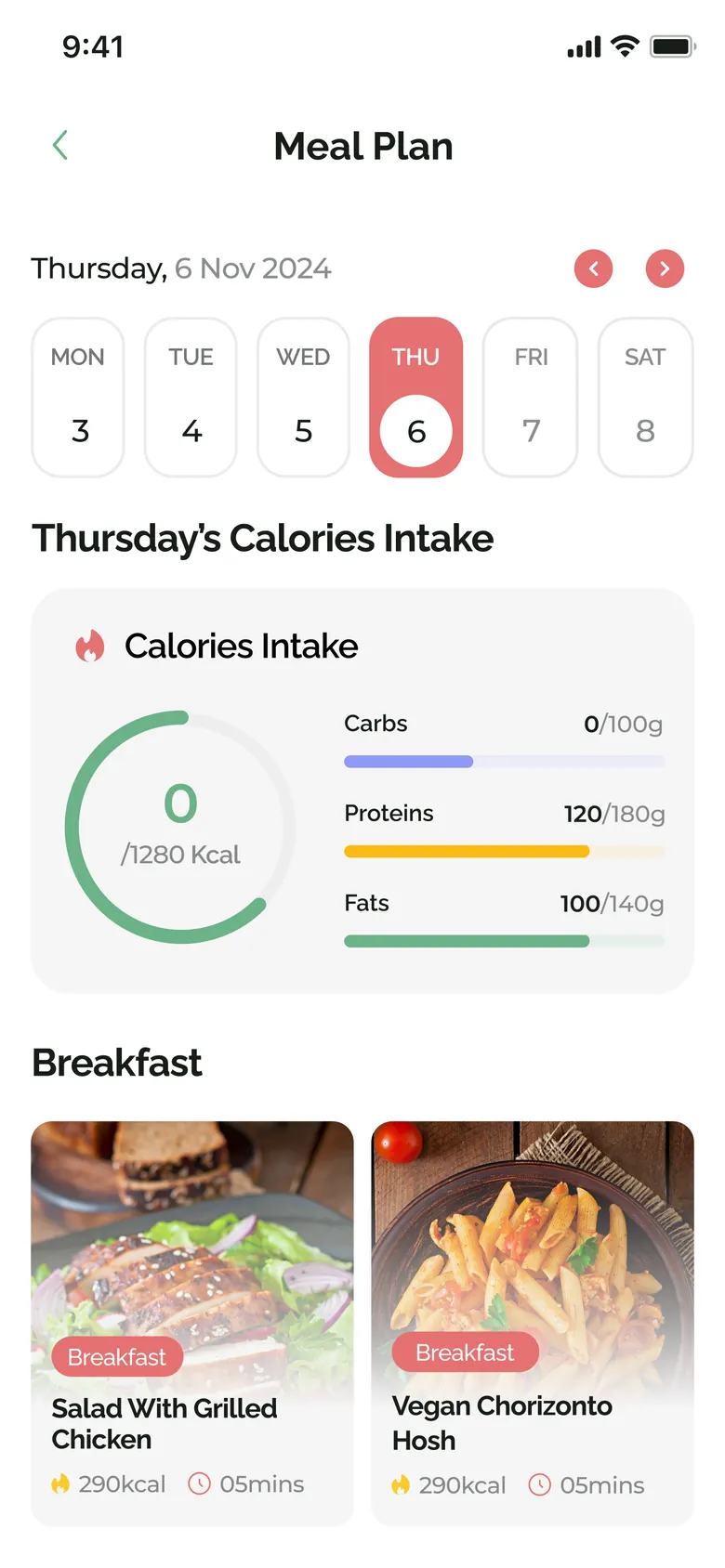
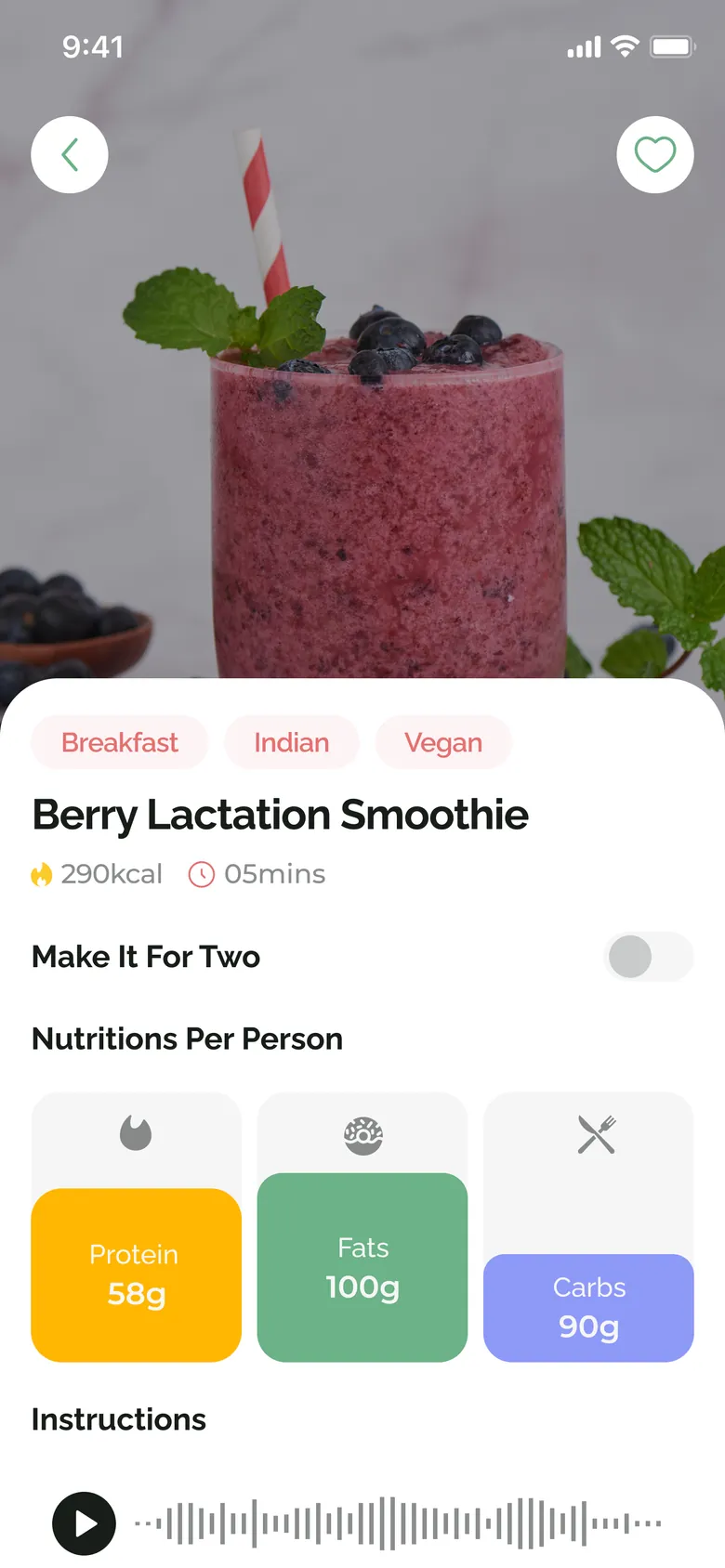
- Recipes with nutrition per serving, favourites, and recipes users write themselves.
- Groceries straight from recipes, with duplicates merged.
- Progress: nutrition and mood trends, streaks, and badges that can be shared with the community.
- Community forums with posts, comments, likes and follows.
- Premium features through a subscription.
Under the hood
An Expo and React Native app. Sign-in runs through Supabase in four ways: an email code, Google, Apple and Facebook. Everything else goes through a typed service layer to our REST API, with React Query for server data and Zustand for app state. Subscriptions run on RevenueCat, and fixes ship over the air through EAS update channels.
Decisions
Browse free, pay per feature. The first version put the paywall at the door. I replaced it with gates on individual premium actions, so people can see the value before they're asked to pay. The cost: every premium action needs its own gate and its own upsell.
The maths lives on the server. Calorie targets, recipe nutrition and the analytics are all computed by the API, so the app stays thin and every screen agrees. When someone edits a recipe's ingredients, its nutrition is marked stale and worked out again. The cost: some of that work runs through AI and takes time, so the app shows a "meals preparing" state and waits longer than a normal request would.
Updates over the air. Most fixes reach phones without waiting for store review. The cost: anything that touches native code still needs a full store release.
The hard part
One subscription, two stores. Premium has to behave the same on an iPhone and an Android phone, for people who signed up in four different ways. Under the hood, the App Store and Google Play model subscriptions differently, and every difference showed up as a confused customer.
- Every sign-in has to lead to the same customer. At first, people who signed up with an email code weren't linked to their subscription account, so their premium status couldn't follow them. Now every sign-in method ends in the same link.
- Android thinks in plans. On Google Play, monthly and yearly are two plans of one subscription, and RevenueCat's ready-made "manage subscription" screen couldn't switch between them there. I built a custom flow for Android: the plan you're not on is pre-selected, and cancelling takes you straight to Play.
- One source of truth. Subscription logic had grown across screens. I moved it into one place with five clear states: free, trial, active, cancelled and expired.
What it taught me: "one subscription" is really two different store systems wearing the same name. Design for both from day one.
Another one, briefly. In the community feed, likes and comments appear the moment you tap, before the server answers. If the server refuses, the change rolls back cleanly, and it has to stay consistent across the feed, the post page and the profile at the same time.
Outcome so far
NourishWise has been live on the App Store and Google Play since October 2025, and is now at version 1.0.2.
What I'd change: I'd write tests from the start, because it shipped with almost none. And I'd build the Android subscription flow before the iOS one, since Android's rules shaped everything in the end.